Gas Mowers vs. Electric Mowers: Which Lawn Mower Is Right for You?
For the longest time, the only kinds of lawn mower to consider were a gas-powered lawn mower or a self-powered “push” mower. Now that battery technology has advanced greatly, some battery-powered lawn mowers can rival the effectiveness of their gas-powered cousins. But is the switch from gas to electric right for you? We’re here to help you figure that out. Check the following factors that should always be taken into consideration when making a lawn mower purchase. These factors should help clarify how electric and gas mowers fare when it comes to the applications you will need for your everyday mowing chores.
Factors to Consider
Before you make a choice between electric or gas and bring home a new lawn mower, there are some considerations that should strongly factor into your decision. Check out the following list to compare your options.
- Power
- Time
- Noise
- Costs
- Usability
You will want to consider power and time when choosing between an electric and gas lawn mower in relation to the size of your yard. As we mentioned earlier, the power difference between a gas mower and battery-operated mower used to be miles apart. But with the recent advancement of Li-ion batteries and a jump in voltage capabilities, that gap has been significantly narrowed in the last few years. Now the power of many battery-operated mowers is very comparable to a similar-sized gasoline engine.
Is mowing time a big concern in your choice? If you have a larger yard, you will want to make sure your lawn mower can mow it all in one go. Gas refills are usually a quick and easy interruption but having to stop to recharge a battery in the middle of a cut can add excessive time to the overall process. Having an extra replacement battery on hand that’s charged and ready to go can alleviate the delays.
When it comes to noise as a consideration, that will depend on where you live. Residents in a smaller neighborhood might want to opt for a quieter mower to prevent disturbing the neighbors. Battery operated mowers run considerably quieter than a gas-powered engine.
Cost is a factor that should be heavily considered when shopping for a lawn mower. Not just for the piece of equipment itself but for replacement parts and upkeep of the machine. And the last factor in consideration for a new lawn mower is usability. You want to make sure that you get a lawn mower that you can use easily to keep your lawn looking great.
Now let's break down the pros and cons of electric and gas mowers and how they fare on each of those factors.
Electric Lawn Mower Pros
Going with an electric-powered lawn mower will net you a lot of positives as you cut your grass. The first thing you will notice as you use the machine is how quiet it is. With its battery-powered engine, you will be able to hear more nature sounds as you walk up and down your yard. But not only will you be able to hear more of nature, but you will be helping it out because electric-powered lawn mowers feature zero carbon emissions. This is great for those who are environmentally conscious. Electric lawn mowers also don't require a lot of maintenance to keep up with. You don't have to fuel them, and there are no oil changes, air filter changes or belt replacements. You are just good to go with a charged-up battery. Lastly, electric lawn mowers are very lightweight. You can't beat an electric lawn mower if you do not want to deal with a heavy machine when you mow your yard.
- Quieter
- Low Maintenance
- No Carbon Emissions
- Light Weight
Gas Lawn Mower Pros
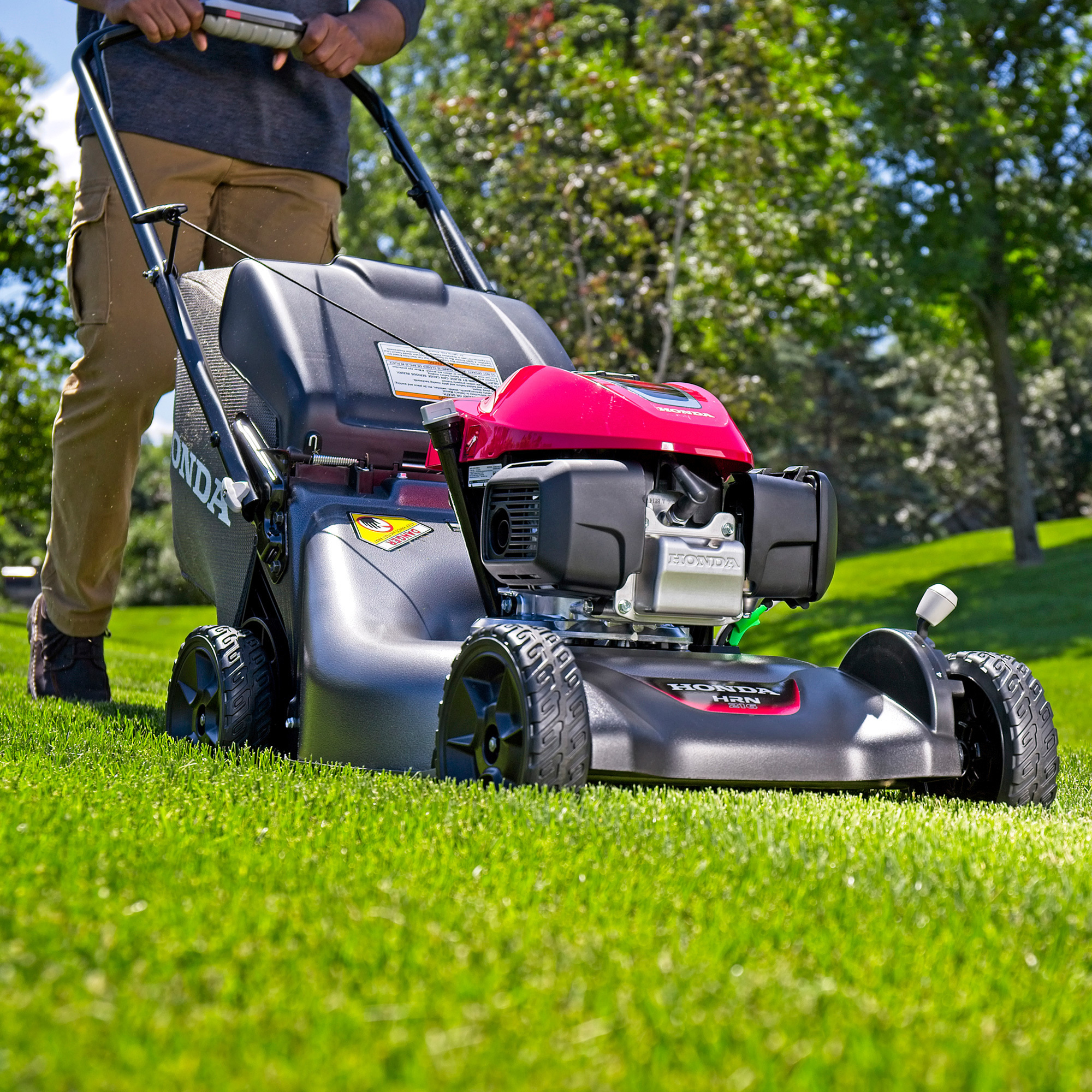
If you are looking for a powerful machine, your best bet is a gas-powered lawn mower. These lawn chewing machines offer a much more powerful experience than an electric mower. And because these are formidable machines, you find that gas-powered mowers are built a bit tougher. With that toughness, you find that the replacement parts for gas-powered lawn mowers are often less expensive electric counterparts. If you are looking for a lawn mower that is sturdy, strong and doesn't require cords or batteries, you may want to have a gas-powered lawn mower as your lawn care machine.
- Built Strong
- Powerful
- No Cords
- Less Expensive Replacement Parts
Electric Lawn Mower Cons
While there are a lot of pros to electric-powered lawn mowers, there are some cons to consider before you buy one. The biggest is just how large your yard is that you plan on mowing. This is because battery-powered mowers will only hold a charge for a few hours. This means that your mower may only be able to last for a short time to mow every part of your yard on one charge. A similar issue exists for corded electric lawn mowers. If your yard is too large and extends out further than the cord can reach, you will need to use extension cords to help you complete your mowing job. For those looking for more power behind their machine, consider a gas-powered lawn mower to get the job done. This is because electric lawn mowers still need to match the control of those powered by gas. One final thing you should consider before selecting an electric lawn mower is that replacing the battery can lean on the expensive side.
- Battery Life
- Expensive Battery Replacements
- Cords
- Less Powerful
Gas Lawn Mower Cons
The most noticeable con to gas-powered mowers, when compared to electric mowers, is the noise. Gas-powered lawn mowers, when running, make a lot of noise to keep the engine going. So, if you are looking for a quiet machine, a gas-powered lawn mower isn't the right fit. Another detractor from choosing a gas-powered lawn mower is the cost and maintenance to keep it running. Where a gas-powered mower gets costly is that you will always need to buy gas for it, which is definitely more expensive than just plugging in and charging a battery. And when it comes to the maintenance of a gas-powered lawn mower, you will always have to change the oil, replace engine parts, replace air filters and more. For environmentally conscious people, you will want to steer clear of a gas-powered lawn mower. Due to their burning of gas, these machines cause carbon emissions. So, if that is a factor for you, keep that in mind.
- More Maintenance
- Maintenance Costs
- Loud
- Carbon Emissions
The Right Mower For You
Now that you know the factors you should consider when shopping for a lawn mower and how a gas-powered and an electric model stack up to those, you can make the right choice for you and your lawn. Suppose you are looking for a mower with minimum maintenance and no carbon emissions. In that case, a battery-powered electric lawn mower will be suitable for those looking for more power and can run for more extended periods than you will want to go with a gas-powered lawn mower to get the job done. But no matter which type you choose, you can find the one that is right for you at Northern Tool + Equipment.
| Type | Electric | Gas |
|---|---|---|
| Quieter | x | |
| Stronger | x | |
| Low Maintenance | x | |
| No Carbon Emissions | x | |
| Lightweight | x | |
| Less Expensive Replacement Parts | x |
Lawn Mowers: Frequently Asked Questions
I live in a smaller neighborhood. Which type of lawn mower will cause the least amount of noise?
If you live in a smaller neighborhood, you may want to choose a battery operated lawn mower. Battery operated mowers run considerably quieter than a gas-powered engine.
I have a big yard. Which kind of lawn mower is right for me?
If you have a large yard, you'll want to make sure you can mow it all in one go. Gas refills are usually a quick and easy interruption, however, if you have an extra replacement battery that's charged and ready to go, you can alleviate delays with using an electric mower. For that reason, either gas or electric lawn mowers could work for a large lawn.
I'm interested in being environmentally friendly. Is there a lawn mower choice that's eco-friendly?
With electric lawn mowers, not only can you enjoy the sounds of nature more due to their quiet operation, you can also feel better about the environment. Electric-powered lawn mowers feature zero carbon emissions.