Tire Inspection
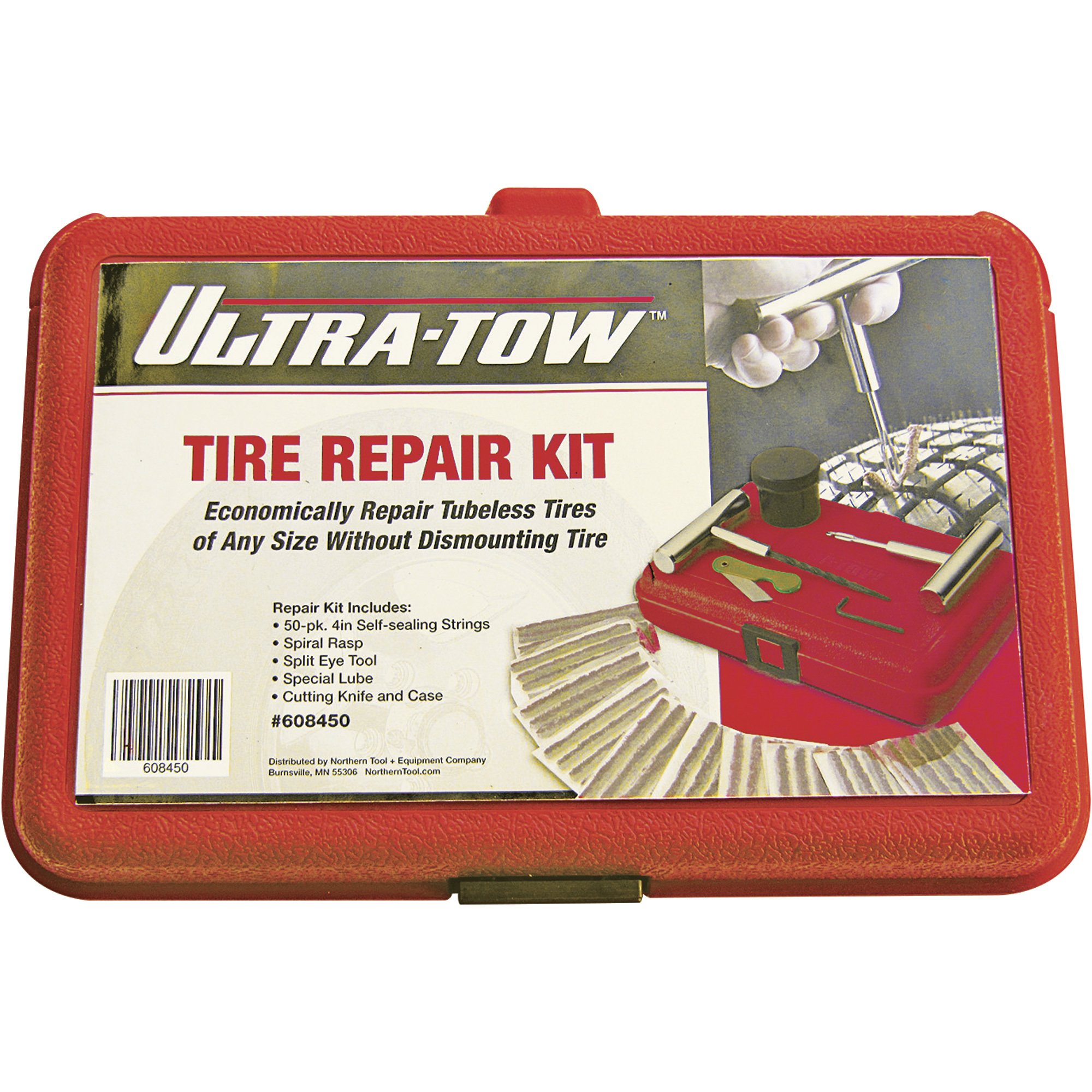
Always follow the recommended maintenance intervals included in your trailer’s paperwork. If it helps, set recurring alarms or keep a calendar to stay on track. Every time you load or haul a trailer, be sure to check that all tires are in good condition. Carefully inspect each tire for damage such as punctures, bulges, or excessive wear. Small punctures can often be repaired with ease, but more extensive damage will require replacement. If you don’t have one already, be sure to add a tire repair kit to your shop or roadside emergency gear. Finally, don’t forget to check tread depth. If any part of your tire’s tread falls below 1/16th inch, it's time for replacement.
Air Pressure
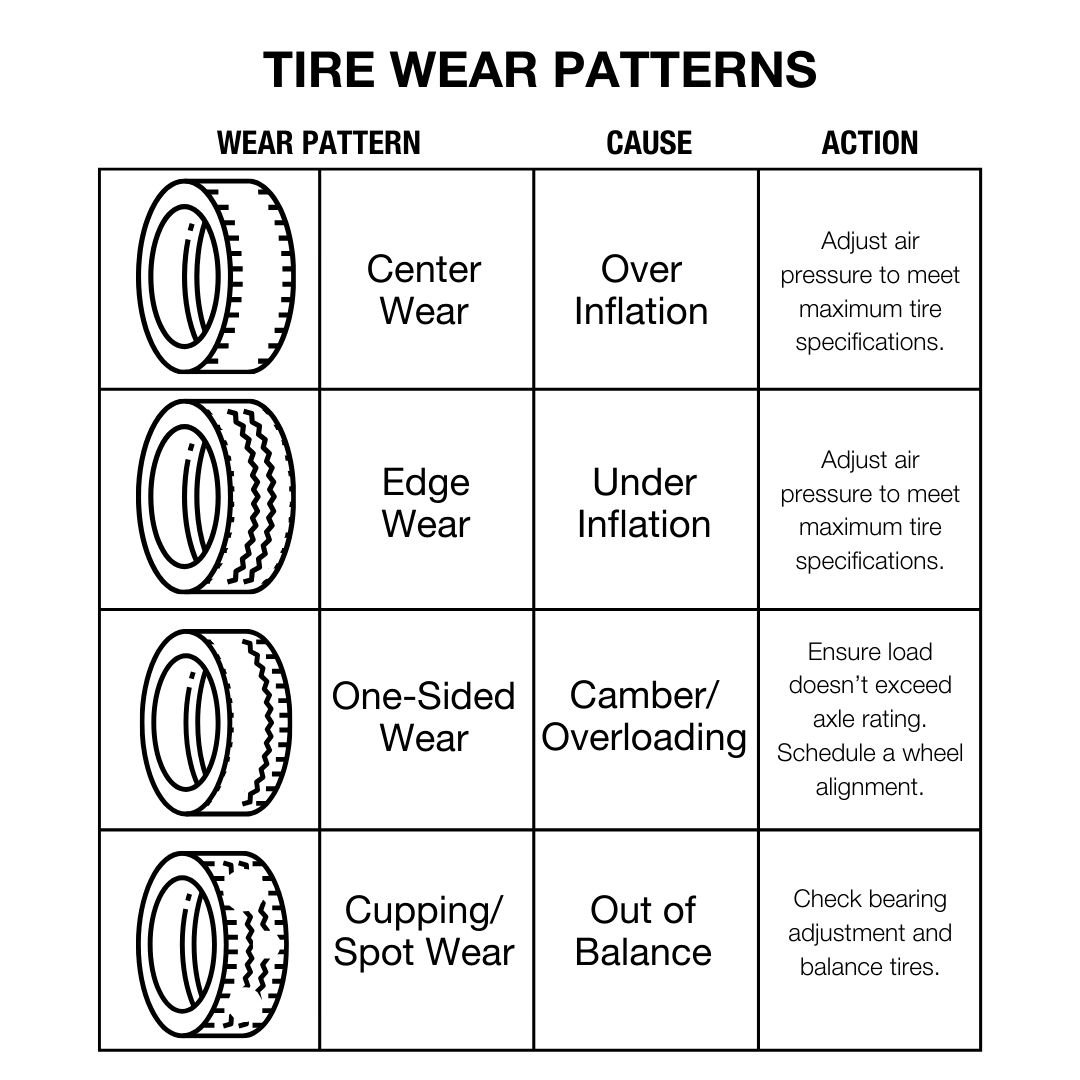
Next, use a tire pressure gauge to make sure each tire is inflated to its maximum air pressure. Do this while the tires are cold for an accurate reading. The PSI requirements of your tires will be marked on the sidewall for quick reference in addition to the trailer owner’s manual. Maintaining the correct tire pressure enhances safety, increases gas mileage and extends the tire's life. A tire that is over or underinflated can develop uneven or excessive tread wear which would require service in the form of rotations, balancing, alignment, or possibly replacement. See the tire wear diagnostic chart to the right to learn more.
Maintaining the proper air pressure will also ensure your trailer can meet its max load capacity. A fully loaded trailer with underinflated tires can lead to damage of the tire’s internal structure. Overinflated tires hauling the max load weight are at risk of premature/uneven tread wear and blowouts.
Rotation, Balancing + Alignments
While rotating your trailer’s tires at regular intervals is an excellent practice that helps extend the tire’s life, it is not a necessity. Balancing and wheel alignments, however, are recommended. Improper wheel alignment and imbalances in the tires can negatively affect treadwear and cause vibration or “jumpiness" while towing. Keep a close eye on your trailer tires condition and schedule balancing and alignment services as needed to maintain safety.
Trailer Tire Storage
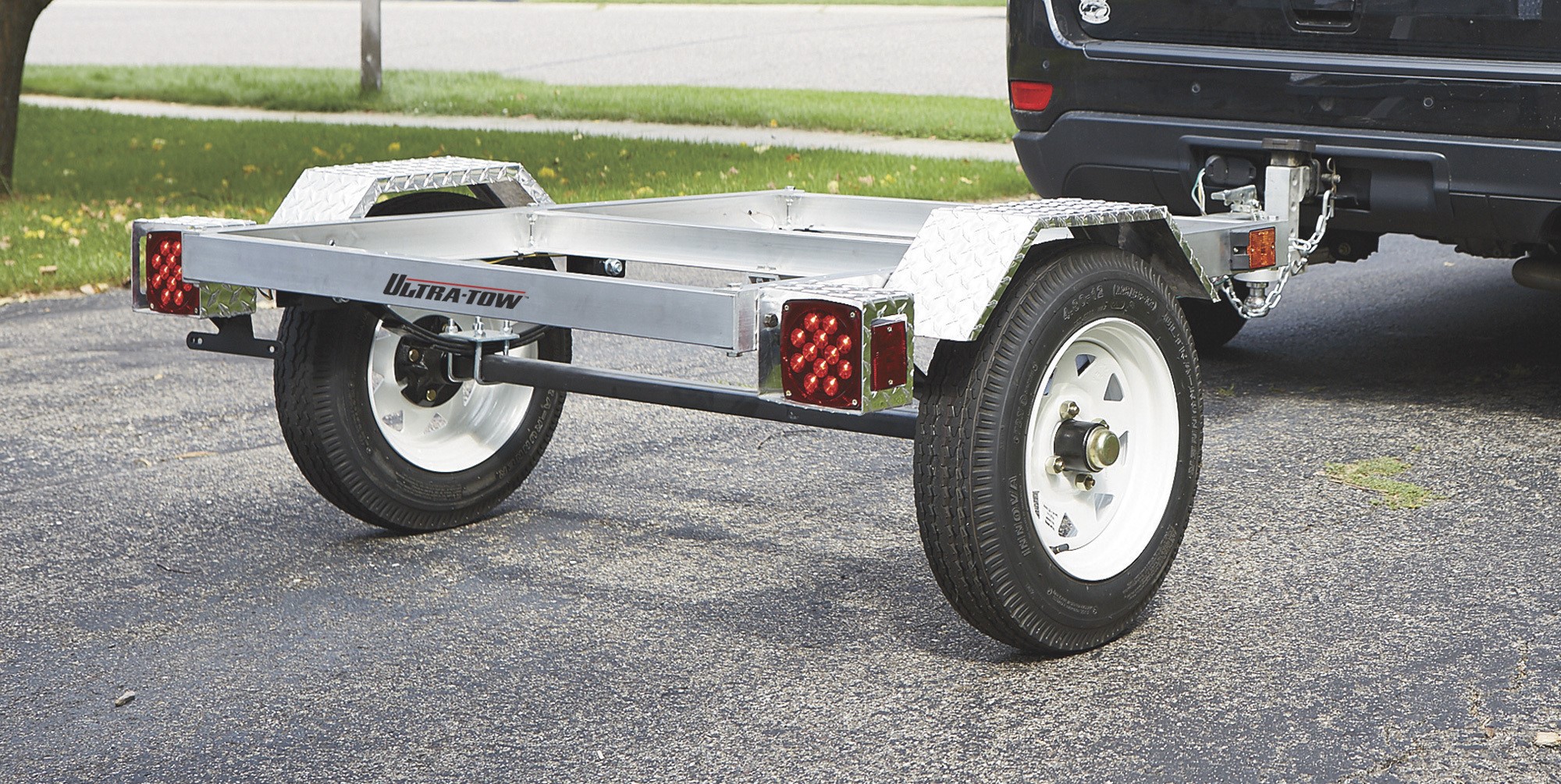
Quality storage of your utility trailer is essential for getting the most life out of the tires. Utility trailers, or at the very least, the trailer’s tires, should be kept in a cool, dry space. An indoor storage area such as a garage that can be kept dark is ideal. Tires should be kept out of direct sunlight to prevent dry rot and cracking. If sunlight is unavoidable in your trailer storage space, consider investing in tire covers.
Excess moisture can also negatively affect your trailer tires. Some trailer owners find it helpful to place a barrier between the tires and the ground. Examples of this include automotive floor coverings, ground protection mats or even plywood. Others go as far as to lift the trailer onto blocks to keep the tires off the ground completely.
Roadside Emergency Equipment Checklist
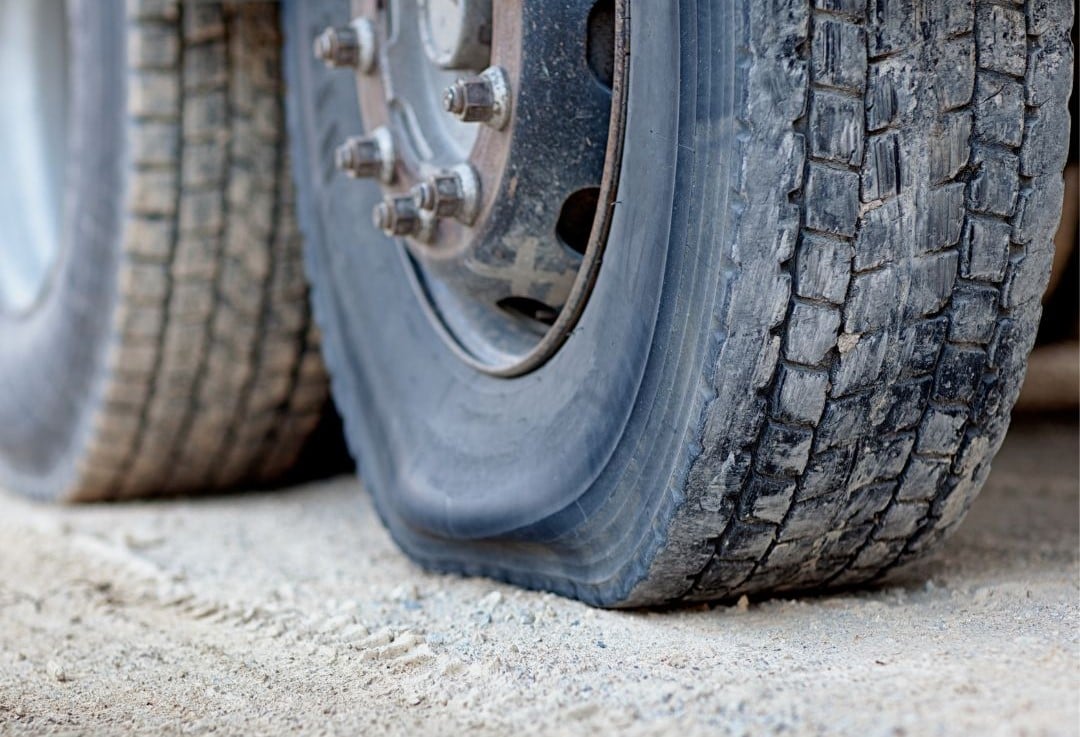
Even with perfect maintenance, accidents happen, and you should always travel prepared. Our recommendation is to have the following tools handy whenever you’re towing a trailer.
- Jack + Jack Stand
- Lug wrench and/or impact wrench + sockets
- Tire repair kit
- Spare high-speed trailer tire
- Tire inflator
- Flashlight or portable work light
- Traffic cones or emergency roadside safety beacon kit
- High-vis clothing
- Mechanic's gloves
Tire Replacement
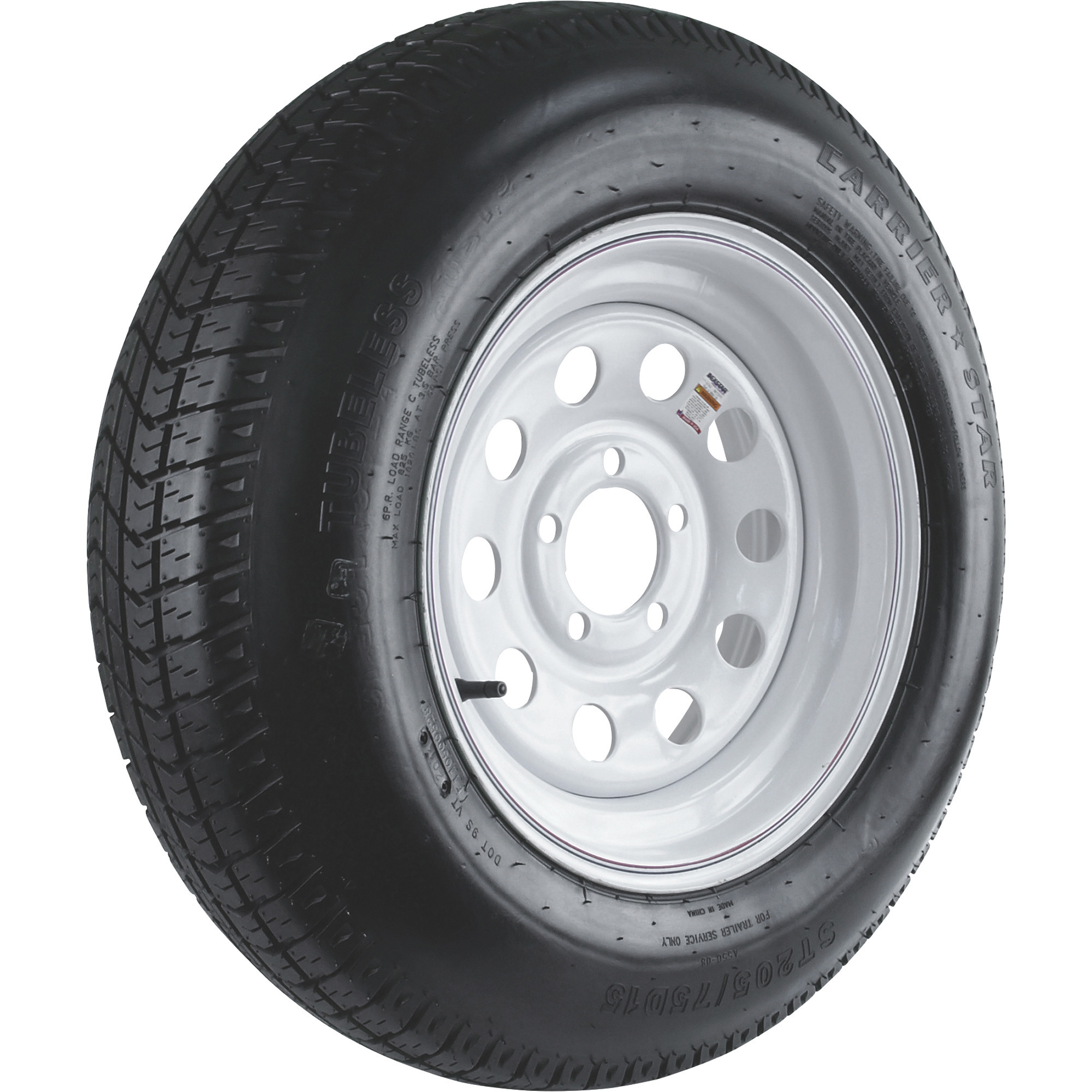
When the time comes to replace your trailer’s tires and/or rims, you can rely on Northern Tool + Equipment to have the perfect fit. Try our trailer tire selector to find a match.